
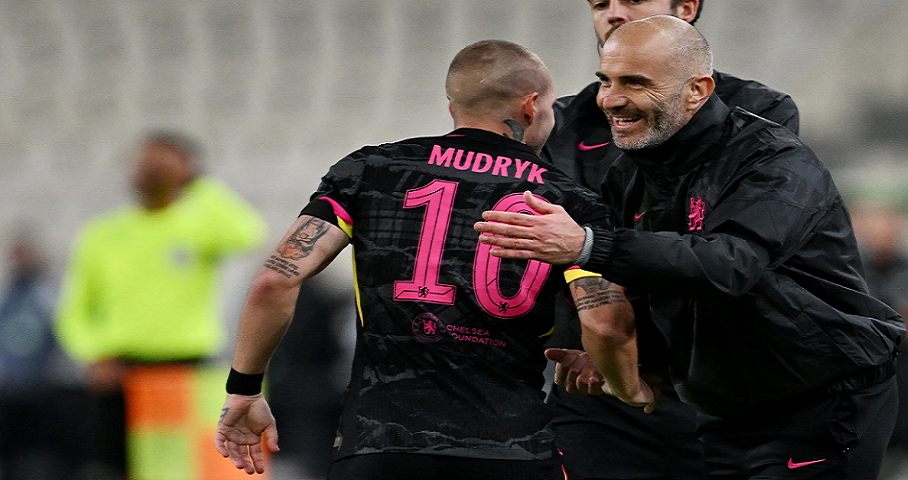
Across the 2024/25 season, several domestic teams repeatedly drifted through the opening stages only to surge in the final 20 minutes, turning apparently settled games into late‑goal contests. For live bettors, those patterns were most useful when they were treated as structured tendencies—linked to fitness, tactics and substitutions—rather than as an excuse to back “a late twist” in every tight match.
Why late-goal teams are a logical focus for in-play betting
Late goals are disproportionately valuable in live markets because they arrive when odds are longest, emotions are strongest and market overreactions are most common. Teams that consistently carry threat into the last 15 minutes—through superior fitness, deep benches or aggressive risk‑taking when behind—therefore offer repeated opportunities to back late goals or comeback outcomes at prices that still reflect earlier game states. When those late‑goal profiles are anchored in season‑long data rather than memories of a few spectacular comebacks, in‑play decisions become a calculated response to how specific teams behave under pressure rather than a generic belief that “anything can happen at the end.”
What 2024/25 numbers say about late scoring in general
League‑wide data from 2024/25 confirms that late goals are not just narrative; they represent a growing slice of total scoring. UEFA’s analysis of the Champions League league phase found that 23 percent of all goals were scored after the 75th minute once added time was included, making the final quarter‑hour plus stoppage the single most productive window of the match. In the Premier League, early‑season data showed that 8.6 percent of all goals arrived in or after the 90th minute, putting 2024/25 on track for a record share of stoppage‑time scoring and continuing a multi‑year trend toward more late goals. Dedicated late‑goal databases tracking domestic leagues worldwide show similar patterns, with many competitions seeing between 18 and 25 percent of their goals in the final 15 minutes, underscoring how often fatigued defences and stretched game states produce decisive late action.
Which 2024/25 teams kept scoring late – and by how much
Within that league context, a distinct group of clubs stood out for their habit of scoring in the final stretch. Across Europe’s top five leagues, StatMuse data recorded Atlético Madrid with 24 goals after the 75th minute in 2024/25, the highest total in that sample, followed closely by Barcelona on 23 and Bayern Munich and Paris Saint‑Germain on 22 each. Several other clubs—Lazio, Lyon, Bournemouth, Wolfsburg, Tottenham, Brighton and Manchester United among them—also reached or exceeded 17 late goals, marking them out as repeat contributors to end‑game scoring. When you link those totals to overall output (Barcelona’s 102 league goals, for example) and style, what emerges is a profile of teams that either maintain attacking pressure until the final whistle or deliberately accelerate risk once the clock passes 70 minutes.
Mechanisms that turn slow starts into late surges
The mechanism behind these late‑scoring teams typically mixes deliberate strategy with physical and tactical advantages. Squads with deep benches and high‑intensity play often rotate heavily and save explosive wide players or strikers for the last 20 minutes, when tired opponents struggle to track runs and defend the box against fresh legs. At the same time, modern time‑keeping rules and longer stoppage times mean matches routinely extend beyond 95 minutes, giving dominant sides more opportunity to turn sustained pressure into late set‑piece or open‑play goals against opponents increasingly focused on survival rather than counter‑threat. When those structural factors meet psychological dynamics—trailing favourites throwing men forward, underdogs sinking ever deeper—teams designed to press and combine late can reliably convert slow starts into high‑probability chances as the clock runs down.
A simple table to classify late-comeback profiles
Because not all late‑scoring teams behave the same way, it helps to sort them into broad profiles that shape how you might approach live betting. The table below shows three useful categories and their typical in‑play implications, drawn from 2024/25 data and late‑goal strategy guides.
| Late-goal team profile | Core characteristics in 2024/25 | Typical in-play opportunity | Main risk for bettors |
| Dominant favourite that breaks resistance late | High possession, heavy shot volume, but often level or only one behind until 70′ before wearing opponents down | Back over 0.5 or 1.0 late goals, or next goal for the favourite when pressure is sustained and xG is piling up | Prices can already be short; if match state flips with a counter‑goal, late‑goal bets may lose despite long‑term trend |
| Chaotic high‑press team with volatile second halves | Aggressive pressing, high turnovers, frequent transitions; games stay open even when leading | Both‑teams‑to‑score in second half or over live goal lines when intensity remains high beyond 75′ | Discipline issues or tactical changes can suddenly stabilise the game, leaving late‑goal odds overpriced |
| Limited side that chases games late out of necessity | Slow starter, often behind at 60–70′, then throws numbers forward in desperate pursuit of a point | Late‑goal or “either team to score” bets when both defence and attack become stretched | Depth and quality may not support a comeback; repeated late goals often cluster rather than persist all season |
Using classifications like these forces you to tie late‑goal expectations to style and context, rather than simply to raw totals. Over time, it becomes easier to see that some teams are reliable late scorers only when chasing, others mainly when grinding down underdogs, and some produce late action because their matches stay structurally wild from start to finish.
How UFABET helps you read and react in real time
In‑play strategies around slow‑start, late‑finish teams depend on seeing whether a given match is actually following the expected script—passive opening, growing territorial dominance, or deliberate substitution patterns—before money hits the market. That requires more than a pre‑match note about a team’s late‑goal record; it demands constant comparison between live metrics and odds as the game evolves. Under those circumstances, using ยูฟ่า168 ออนไลน์ as an online betting site allows a bettor to monitor live goal lines, next‑goal prices and comeback odds across multiple fixtures, aligning late‑goal decisions with observable pressure (shots, corners, field tilt) rather than simply the time remaining on the clock.
Step-by-step sequence for using late-goal data in live betting
Because late‑goal angles are easy to overuse, many experienced bettors turned them into a structured sequence rather than a one‑click habit in 2024/25. A typical process might look like this:
1. Pre‑match, shortlist teams with strong 2024/25 records for goals after 75′ and confirm whether today’s opponent tends to collapse or chase late.
2. During the match, watch for alignment between trend and reality—sustained pressure, attacking substitutions, and clear tactical intent to push for a result rather than settle.
3. Enter the market only when both price and pattern match: odds that still offer value relative to the implied late‑goal probability, and a game state that actually supports further scoring instead of stale, low‑tempo possession.
When followed consistently, this kind of checklist turns late‑goal betting from an emotional response to time pressure into a repeatable decision process that can be reviewed and refined based on win‑loss records rather than isolated memories of dramatic comebacks.
Where the slow-start, late-finish idea breaks down
Not every team with a handful of spectacular late‑goal wins in 2024/25 deserved a permanent label as a “slow starter that always turns it around,” and those mislabels were often expensive. Regression to the mean meant some clubs’ early‑season late‑goal spikes faded once fixture lists and game states evened out, especially when early clusters came against tired opponents or in chaotic matches affected by red cards. Tactical evolution also mattered: once analysts highlighted a side’s late‑goal tendency, opponents sometimes managed matches more conservatively in the final stages—slowing restarts, breaking rhythm and using substitutions to kill tempo—reducing the frequency of late swings in the second half of the season. When live bettors failed to adjust and kept backing late goals simply because of last month’s comebacks, the angle stopped being an edge and became an expensive superstition.
Conditional scenarios where standing aside is smarter
There were also matches in 2024/25 where even proven late‑goal teams did not offer attractive in‑play opportunities. If a dominant late‑scoring side went two or three goals up early and then consciously lowered tempo—circulating the ball without vertical thrust—the risk‑reward balance on more goals at short odds worsened, despite their season‑long record. Conversely, if a typical late‑comeback team entered the final 15 minutes with key attackers injured, or down to 10 men and pinned deep, historical trends could not offset the immediate structural disadvantage, making no bet—or even a small contra position—the more rational choice.
Using casino online within a disciplined late-goal strategy
The emotional pull of late goals is amplified when betting is always within reach, which is why unstructured use of apps and sites often leads to impulsive “last‑minute” wagers that lean on hope more than evidence. Guides to late‑goal betting repeatedly stress that long‑term profitability depends on selectivity—choosing only those matches where both statistical trends and live dynamics justify involvement—rather than chasing every game that reaches 75 minutes without a decisive result. Within that framework, any casino online website should be treated as a tool for executing pre‑defined criteria: only backing late goals when a team’s 2024/25 record, current game state and available price jointly clear a threshold, and logging outcomes so that the strategy’s true edge (or lack of one) becomes visible over a large sample instead of being inferred from a few memorable winners.
Summary
The 2024/25 season reinforced that late goals are both structurally common—especially after the 75th minute—and unevenly distributed across teams, with clubs such as Atlético Madrid, Barcelona, Bayern Munich and others generating striking numbers of late strikes. Those patterns arise from a mix of deeper benches, aggressive end‑game tactics, fatigue‑driven defensive errors and longer matches, all of which create fertile conditions for late scoring when slow‑starting sides push hard in the final stretch. For live bettors, the key is to treat slow‑start, late‑finish teams as one input to in‑play decisions—cross‑checked against opponent style, current pressure and pricing—rather than as a guarantee that every match will deliver a dramatic ending, turning late‑goal betting from a reactive gamble into a structured, testable approach.