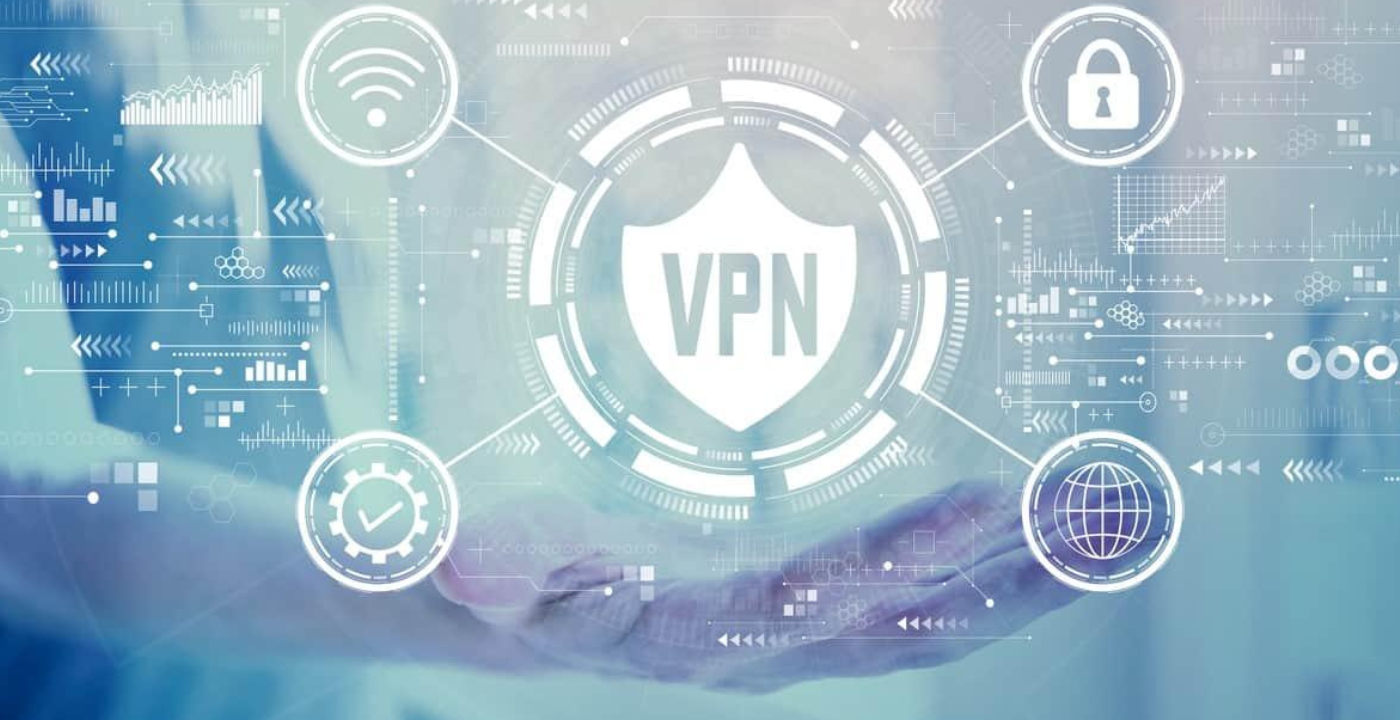
You’re not the only one who has thought of obtaining a VPN. They are used by millions of people every day to express their freedom, security and privacy online. However, before signing up for one, it is helpful to know the advantages and disadvantages of a VPN, in order to gauge if it suits your requirements.
Pros of a VPN
1. Enhanced Online Privacy
A VPN hides your real identity by masking your IP address with the VPN server’s IP address. This is much more difficult for websites, advertisers, and data brokers to create a profile of you, even when you are shopping normally on the web!
2. Stronger Security
If you are connected via a VPN, the internet traffic is encrypted from end-to-end. A hacker can access your data but they are not able to read it. This provides an essential added security for individuals handling personal information on the web.
3. Safe Browsing on Public Wi-Fi
Wifi hotspots are out there like airports, hotels, cafés, and coworking spaces and are true playgrounds for cybercriminals. A VPN encrypts your connection on these open networks, and most attempts to eavesdrop or intercept your connection are unable to cause any damage.
4. Bypass Bandwidth Throttling
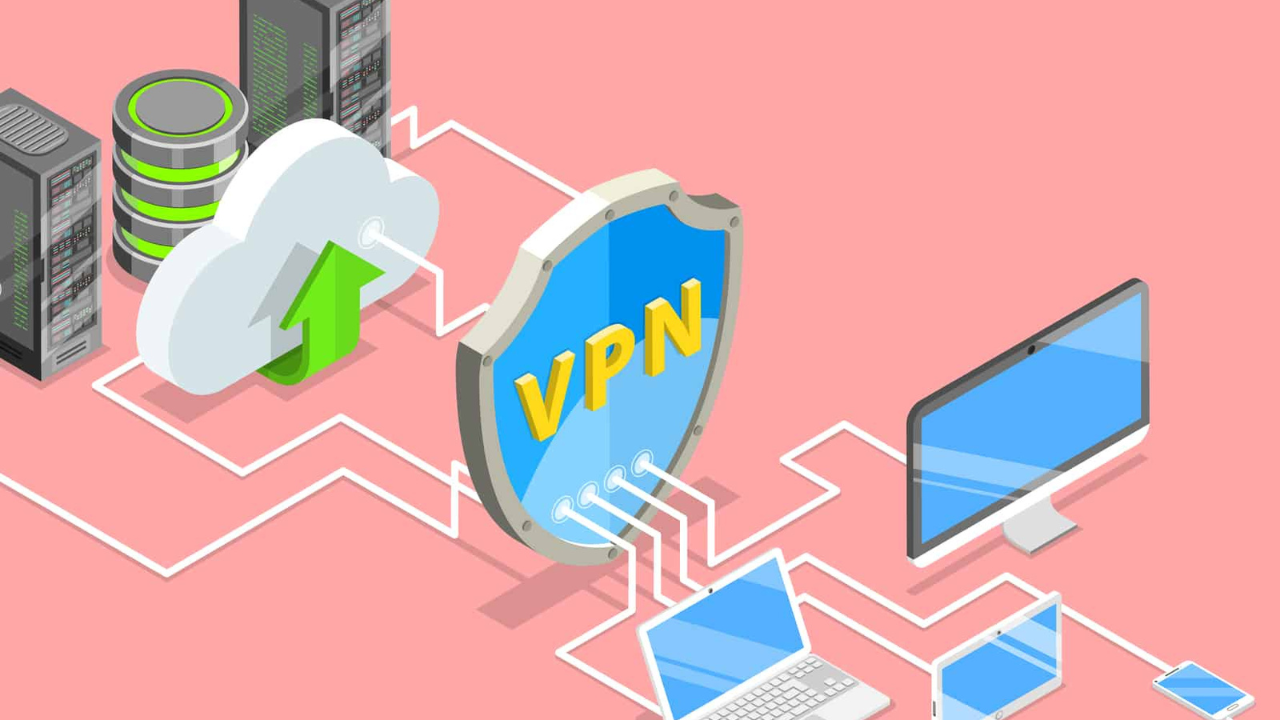
Sometimes, ISPs intentionally throttle your internet connection depending on your activities, such as downloading large files, playing games, or streaming media. Since your VPN hides your traffic type, your ISP can do nothing about it, this reduces the likelihood of being throttled to a great extent.
5. Access Content While Traveling
While traveling in foreign countries some of your favorite sites may not be available in that area, as well as some of your favorite streaming services. A VPN will allow you to go through a server in your nation of origin, making it possible for you to continue enjoying your normal subscriptions, local information, as well as sporting activities coverage, basically anywhere you go.
Read Aslo: Why Nahttypen Matter in Creative Sewing
Cons of a VPN
1. Possible Speed Reduction
Using a VPN will incur a slight distance and encryption overhead, which may cause your connection to be slower. To reduce this, always try to connect to a VPN server that is as close as possible to you, or to use split tunneling and only send specific traffic through the VPN.
2. Not Supported on All Devices
Smart TVs, gaming consoles, and numerous IoT gadgets don’t have native assistance for VPN applications. The solution would be to configure the VPN directly on the router, giving it VPN coverage for all devices connected to the router.
3. Quality of the Providers Varies
VPN services are not the same! Lower quality services often lack features such as a kill switch, leak your IP, and don’t offer strong encryption. Worse still are free VPNs which are often used to sell the user’s information to advertisers to cover their expenses, yet that’s not what a privacy tool ought to be.
4. Subscription Cost
While there are risks associated with free VPNs, a paid VPN service is the better option. Most of the good VPNs charge $2 to $15 a month, and the longer your subscription is, the lower the price.
5. Legal Restrictions in some Countries
VPNs are legal in most countries but some countries have authoritarian governments that ban or limit VPNs. When travelling through or residing in such an area, always get to know the local ordinances before connecting.
Here’s a Quick Comparison of the VPN Pros and Cons At Glance
| Pros | Cons |
| Respects your privacy and hides your identity | May slow down the Internet connection |
| Secures data on public networks by encrypting it | Does not work on all devices |
| Tolerates and prevents ISP bandwidth throttling | There are differences between providers in terms of quality and protection |
| Maintains remote working connections secure | Paid subscription is essential for reliable choices |
| To bring back access to home content outside the country | Banned or prohibited in certain countries |
Who Should Use a VPN?
You don’t need to be tech-savvy to use a VPN. There are three groups that benefit the most from the advantages and disadvantages of a VPN:
- Frequent travelers- to stay secure on unfamiliar networks and access home content abroad
- Remote workers- to protect sensitive business data on non-office connections
- Privacy conscious users- people who don’t want ISPs or advertisers to know what they’re doing online.
Final Word
The advantages/disadvantages of a VPN are pretty obvious: enhanced privacy, improved security and increased freedom online in exchange for a slight speed sacrifice and some VPN provider quality issues. Most users find the advantages outweigh the disadvantages.
The most important thing is to find a reliable provider that has a proven track record, robust encryption and a no-logs policy. If you do that correctly, a VPN can be one of the most savvy tools you can use in your digital life.
FAQs
1.Should you use VPN for regular use?
Yes, for the majority of individuals. The privacy and security are worth the slight performance hit, particularly if you’re on public Wi-Fi often or want to maintain your privacy when you’re online.
2.Do VPNs make your internet connection slow?
They can slow down things a little bit, because they have to encrypt and route traffic to a server. If you’re using a server that is close by and of good quality.
3.Is it safe to use free VPNs?
Many are not. There are also plenty of free VPNs that keep records of user data and share it with advertisers. If you want a secure VPN service, you must always choose a paid VPN service that has an independently audited no-logs policy.
4.Is it legal to use a VPN?
VPNs are legal in most countries. But their use is limited in some countries, especially authoritarian ones. Check local regulations before using in a new area.
5.Does a VPN work on free Wi-Fi?
Yes, even when you’re using an unsecured network, a VPN will encrypt your connection, making it extremely hard for attackers to see or read your data.
Read more: AI Transformation Is a Problem of Governance Twitter: What the Debate Reveals in 2026