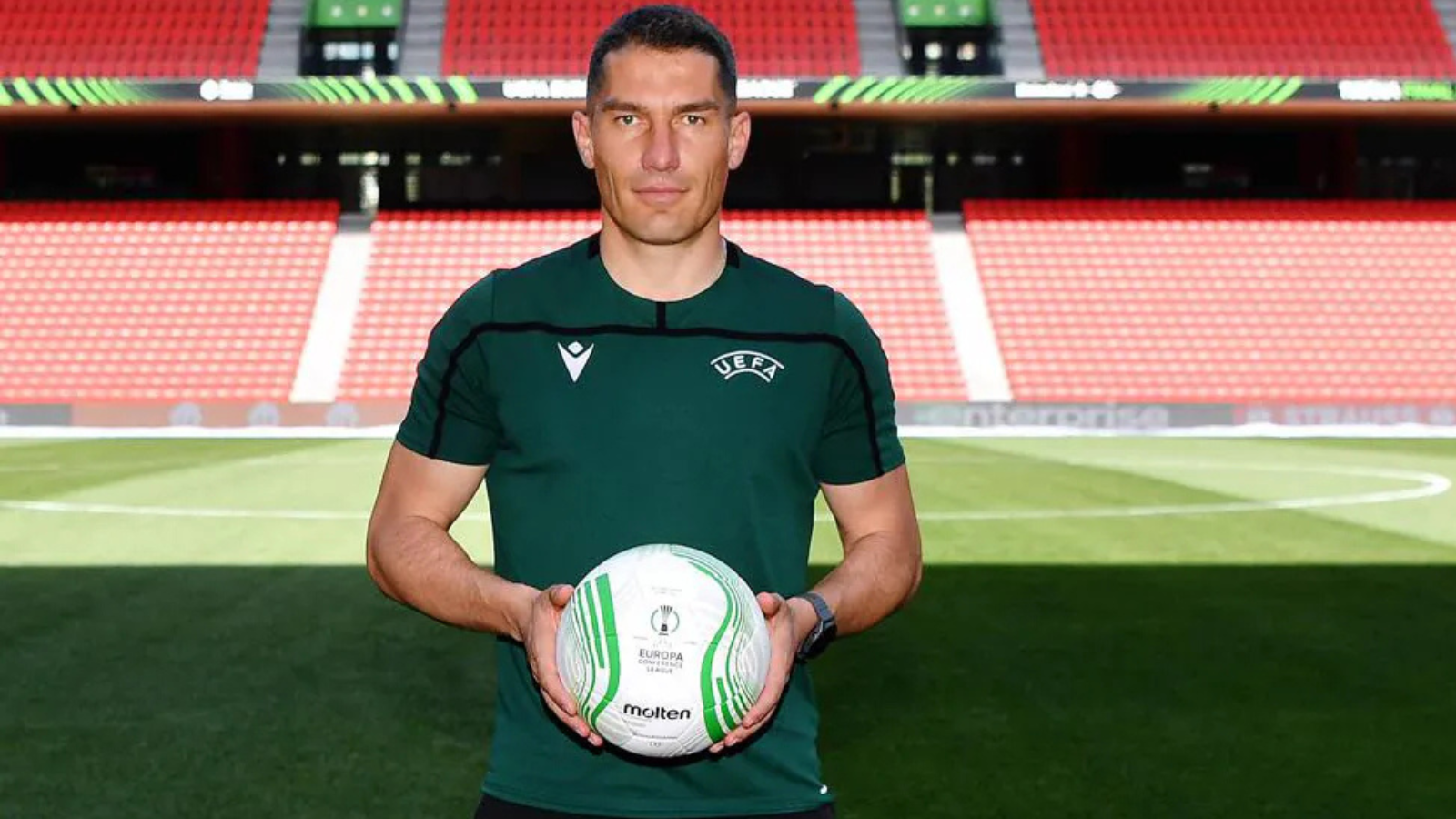
Referees rarely become famous for the right reasons. Officiating excellence is largely invisible — when a referee is performing at their best, the game flows and the decisions are barely noticed. Recognition comes in the moments of controversy, of disputed calls in high-stakes matches, of decisions whose consequences echo across weeks of analysis and debate. Istvan Kovacs has navigated this paradox more successfully than most European referees of his generation — building a reputation for technical quality and composed decision-making that has earned him assignment to the sport’s most significant matches while remaining a figure known primarily to those who follow football officiating closely enough to notice when the referee is genuinely excellent rather than merely avoiding catastrophe. Fans following international football and major sporting events can find dedicated coverage at dbbet.
Who Is Istvan Kovacs
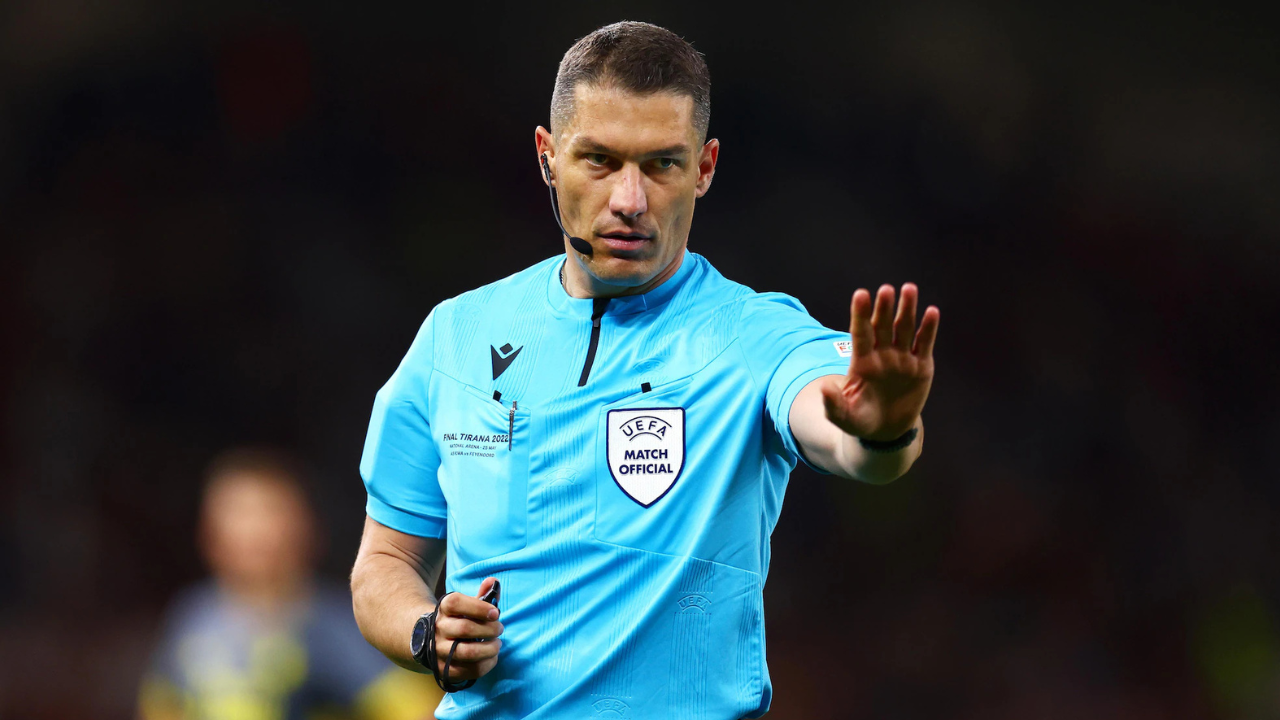
Istvan Kovacs is a Romanian football referee who has risen through the UEFA officiating structure to become one of Europe’s most consistently assigned referees for high-profile club and international competition. His progression from domestic Romanian football officiating through the UEFA development pathways reflects the structured referee education system that European football has built — identifying technically competent officials at national level and providing them with the additional training, fitness assessment, and competitive exposure that international officiating demands. Kovacs’s assignment to Champions League group stage and knockout matches, Europa League fixtures, and international competition represents UEFA’s assessment that his decision-making quality, fitness levels, and game management capability meet the standards that the sport’s most watched competitions require. Romanian football has produced competent referees across multiple generations, but Kovacs’s international profile represents a level of recognition that relatively few Romanian officials have previously achieved within UEFA’s assignment hierarchy.
The Referee Development Pathway in European Football
Understanding how Kovacs reached international prominence requires understanding how UEFA’s referee development system identifies and elevates officiating talent. National associations nominate referees who have demonstrated excellence at domestic level for UEFA’s elite development programs — intensive courses that address the specific demands of officiating at the highest competitive level, from managing the specific pressures of Champions League environments to understanding the nuances of international football’s disciplinary framework. Physical fitness standards — referees at the top level must cover distances and maintain sprint capacities that genuine athletic preparation requires — are assessed rigorously and continuously. Video analysis of decision-making — every significant call reviewed against the laws of the game and the specific guidance that UEFA provides for consistent application — provides the feedback mechanism through which referees identify and correct the patterns that affect their decision quality under pressure. Kovacs’s progression through this system reflects sustained performance across multiple assessment dimensions simultaneously.
High-Profile Assignments and What They Signal
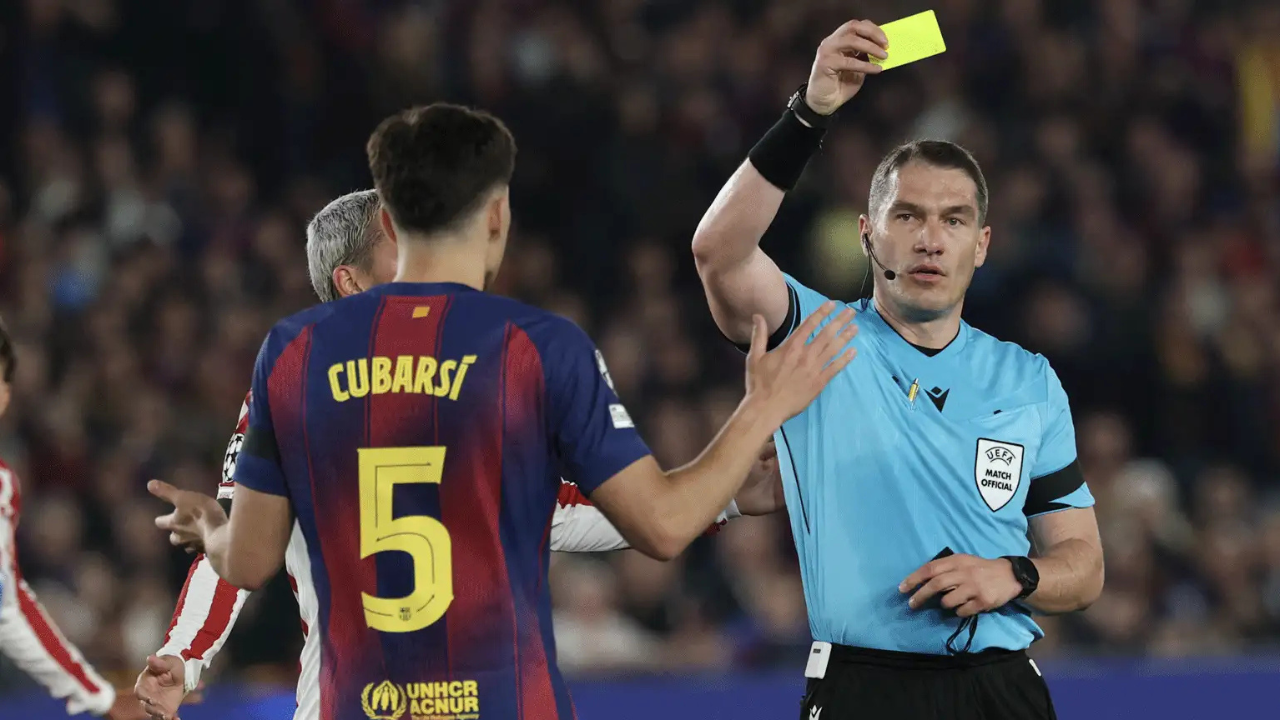
UEFA’s assignment of specific referees to high-profile matches is itself a form of institutional communication — a signal that the organization’s referee committee trusts a particular official to manage the pressures that Champions League knockout matches generate. Kovacs’s assignments to significant European matches have placed him in environments where the margin for error is minimal, the global broadcast audience is enormous, and the consequences of major decisions extend into the week-long analysis cycle that modern football media subjects every significant refereeing call to. Managing these environments successfully — making correct decisions under the physical and psychological pressure of late knockout football, maintaining authority without authoritarianism, and applying the laws consistently rather than allowing crowd or player pressure to influence decision-making — is what UEFA’s assignment committee is evaluating when it allocates high-profile fixtures to specific officials.
The Laws of the Game and Modern Officiating Challenges
Modern football officiating operates within a laws framework that has evolved considerably in response to technological review systems, changing playing styles, and the commercial pressure to minimize controversial decisions that affect competition outcomes. The VAR system — Video Assistant Referee — fundamentally altered the referee’s decision-making environment by introducing the possibility of review for major match-changing decisions including goals, penalties, red cards, and mistaken identity. Managing the interaction between on-field decision-making and VAR review requires a specific understanding of which decisions should be checked, how long review processes should take, and how to communicate with players and crowd during review periods that create tension and uncertainty. Referees like Kovacs who have developed effective VAR protocols — making clear initial decisions that communicate authority while remaining appropriately open to review when the technology identifies potential errors — manage the system more effectively than officials whose uncertainty about when to call for review creates confusion and delays that undermine match authority.
Romania and Its Position in European Sports
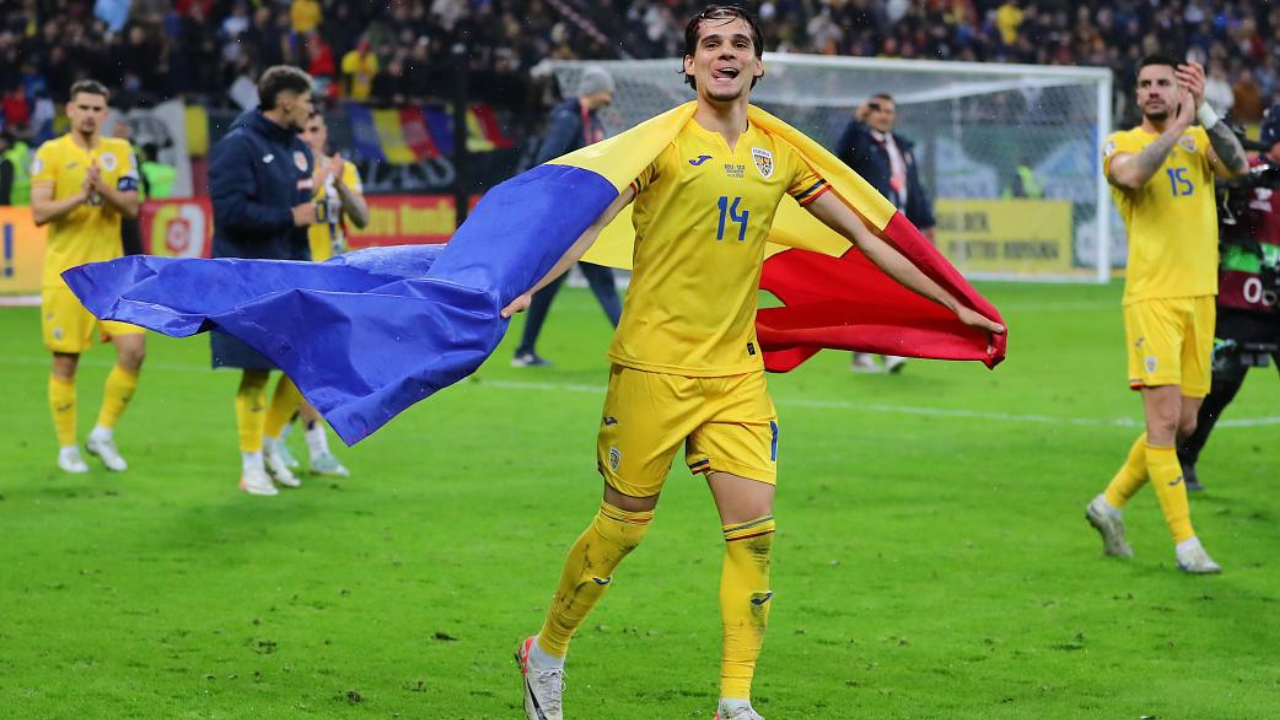
Romanian football has a history of producing not only playing talent — the 1994 World Cup generation whose performances in the United States created one of that tournament’s most memorable national team stories — but also officiating talent whose UEFA recognition reflects the country’s broader football institutional development. Romania’s domestic football league — the Liga I — provides the competitive environment where referees develop the experience base that international football requires, and the Romanian Football Federation’s investment in referee education has produced officials capable of meeting UEFA’s increasingly demanding technical standards. Kovacs’s success within the UEFA structure reflects both his individual quality and the organizational environment that Romanian football has created for official development — a combination that other nations whose referee production has been inconsistent can study as a development model worth adapting to their specific institutional contexts.
Kenya Sport and the Global Officiating Conversation
Kenya sport has its own relationship with officiating development that Kovacs’s UEFA trajectory illustrates by contrast — the organizational investment required to produce internationally recognized officials is as demanding as the investment required to produce internationally competitive athletes, and the recognition that officiating quality requires systematic development rather than purely individual talent has been slower to arrive in many African sporting contexts than the talent available would justify. The Confederation of African Football’s referee development programs have been progressively improving the quality and consistency of African officiating, with specific officials from several African nations now receiving high-profile CAF assignment. Kenya’s football referees operate through the Football Kenya Federation’s officiating structure — a system that has produced officials of genuine competence at domestic and regional level while the pathway to continental and global assignment remains more limited than the talent pool’s quality would ideally support.
Officiating Under Pressure: The Psychology of High-Stakes Decisions
The psychological demands of refereeing at the highest level represent a genuinely specialized performance environment whose challenges sports psychology has studied extensively without the same media attention given to athlete performance under pressure. A referee making a penalty decision in the ninetieth minute of a Champions League knockout match — knowing that the crowd’s reaction, the players’ responses, the post-match media analysis, and UEFA’s own review will all scrutinize that decision across the following days — is operating under a pressure profile that most performance environments do not replicate in quite that combination. The referees who perform most consistently in these moments are those who have developed decision-making processes robust enough to function under emotional and environmental pressure — who can isolate the specific question of whether a foul occurred from the contextual noise around it and apply the laws to that isolated question rather than to the atmosphere that surrounds it.
The Impact of Technology on Referee Recognition
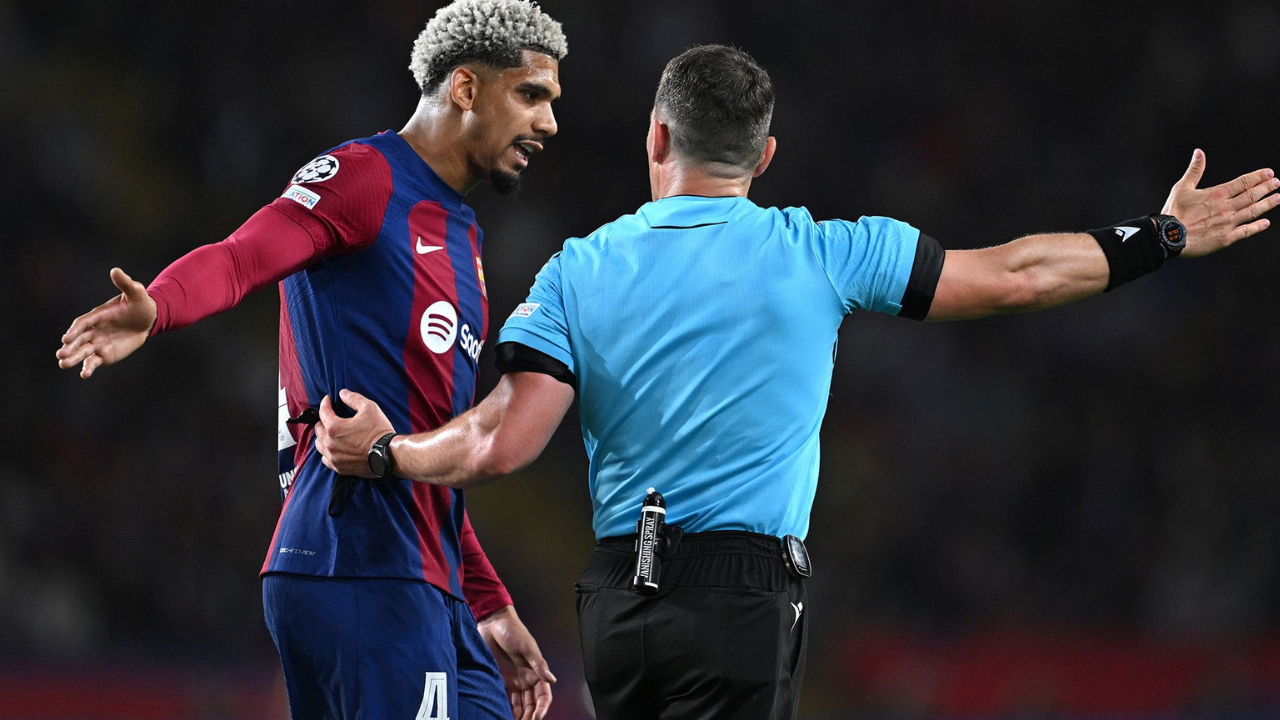
VAR and other technological review systems have simultaneously made refereeing easier and harder in ways whose net effect on public perception of referees is genuinely ambiguous. Easier because clear errors that previously became career-defining controversies can now be corrected before they affect match outcomes. Harder because every significant decision is now subject to frame-by-frame analysis that reveals marginal calls whose correctness under the laws is itself genuinely debatable — millimeter offside decisions, handball calls where the laws’ intent and technical application diverge — in ways that generate controversy regardless of whether the original decision or the technology’s confirmation was applied correctly. Referees who manage this environment most successfully are those who use technology as a decision-support tool rather than treating it as either a threat to their authority or an infallible arbiter whose conclusions they are obligated to implement without their own judgment. Kovacs’s management of VAR interactions in high-profile matches has been specifically noted as a competency that his assignment pattern reflects UEFA’s confidence in.
What Officiating Excellence Contributes to Sport
The contribution that excellent officiating makes to sport’s competitive integrity is easiest to appreciate through its absence — the matches where poor officiating decisions distort outcomes, damage competitive credibility, and generate controversies that obscure the performances of the athletes whose excellence is the sport’s primary product. Referees like Kovacs who consistently make correct decisions under pressure, who manage player behavior without accumulating disciplinary records that affect matches, and who allow football’s natural dynamics to determine outcomes rather than becoming the story themselves are performing an essential function that the sport’s commercial and competitive value depends upon. The growing recognition of officiating as a professional discipline — with the training investment, performance assessment, and institutional support that professional standards require — reflects an understanding that the quality of decisions made on the pitch is as important to sport’s integrity as the quality of performances by the players those decisions govern.