Bangladesh is not yet a name that appears in World Cup conversations, but something is shifting beneath the surface. Investment in facilities is increasing, a younger generation of coaches is bringing modern methods to the domestic game, and grassroots programs are identifying talent earlier than ever before. The gap between Bangladesh and the region’s established football nations remains significant, but the direction of travel has changed. For those following the development of Bangladeshi sport closely, DBBet tracks competitive football across South Asia and beyond.
Bangladesh Football: Where the Game Stands Today
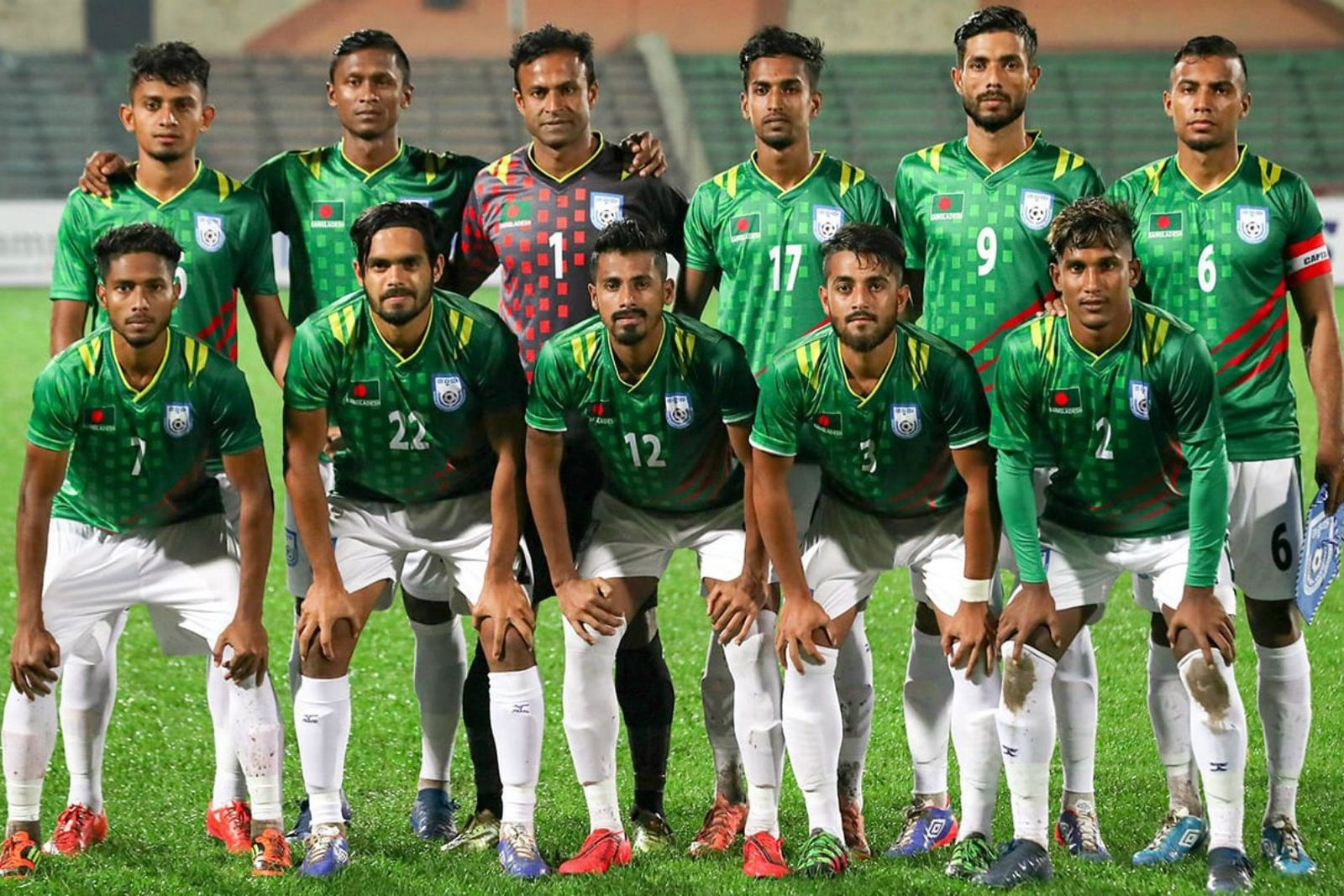
Bangladesh football operates within a deeply passionate but structurally underdeveloped ecosystem. The national team currently sits outside the top 180 in FIFA rankings, competing in the second tier of AFC qualification. Domestically, the Bangladesh Premier League runs a full season of club football, with Dhaka-based clubs like Bashundhara Kings and Sheikh Russel KC drawing genuine supporter bases. The federation has faced governance challenges over the years, but recent administrative reforms and an increased focus on youth development suggest a more stable foundation is forming. The raw enthusiasm for football across the country has never been in question — converting that passion into competitive results is the work now underway.
Sports Infrastructure: The Foundation Everything Else Requires
No football program develops sustainably without proper facilities, and sports infrastructure has historically been Bangladesh’s most significant constraint. The Bangabandhu National Stadium in Dhaka remains the country’s primary football venue, but its pitch and facilities have drawn criticism from visiting teams and officials. More encouragingly, several district-level stadiums have undergone renovation in recent years, and the Bangladesh Football Federation has outlined plans for a dedicated national football training centre. Artificial turf pitches — controversial among purists but practical in a country where monsoon seasons devastate grass surfaces — have been installed at multiple venues, extending the training calendar significantly and giving youth players consistent surface quality year-round.
Coaching Development: Closing the Knowledge Gap
Technical quality on the pitch is directly linked to coaching quality on the training ground, and Bangladesh has historically lacked a deep pool of qualified coaches at the grassroots level. The BFF has partnered with AFC to deliver licensing programs, gradually increasing the number of certified coaches operating across divisions. Foreign head coaches have brought tactical exposure to the national setup, introducing pressing systems and positional structures that were rarely seen in Bangladeshi football a decade ago. The challenge now is filtering that knowledge downward — ensuring that youth coaches at district level understand modern principles rather than relying entirely on informal methods passed down through playing experience alone.
Athlete Training: Raising the Physical Standard
The physical gap between Bangladeshi footballers and their regional rivals has been a consistent talking point among coaches and analysts. Athlete training in Bangladeshi football has traditionally been informal — skill-focused sessions with limited structured fitness work. That is changing. Bashundhara Kings, the country’s most professionally run club, now employ dedicated fitness coaches and track player load data across the season. The national team setup has introduced GPS monitoring during training camps, allowing coaching staff to manage workload and reduce soft tissue injuries that previously disrupted preparation cycles. Building physical conditioning infrastructure at club level, rather than only at national team camps, remains the next critical step.
Youth Development: Where the Future Is Being Built
Bangladesh’s strongest long-term asset is demographic — a young population with genuine enthusiasm for football and increasing access to organized competition. The BFF runs national age-group championships across under-14, under-17, and under-20 categories, giving talented players a structured competitive ladder to climb. Several clubs have invested in youth academies with residential programs, removing the geographic barrier that previously meant talented players outside Dhaka had little access to quality coaching. The challenge is consistency — academies that run strong programs for two or three years before losing funding or key staff are a recurring problem across South Asian football development, and Bangladesh is not immune to that pattern.
The Role of Diaspora Players in Bangladesh Football
One of the more interesting developments in recent years has been the recruitment of players with Bangladeshi heritage from the UK and across Europe. Several British-Bangladeshi footballers have represented the national team after switching international allegiance, bringing with them professional training habits, higher fitness baselines, and exposure to competitive European youth football. The cultural connection is genuine — many grew up watching Bangladesh play and felt a pull toward representing the country of their heritage. Integrating diaspora players smoothly alongside locally developed talent requires careful squad management, but the best examples suggest the combination raises the overall standard of the group and accelerates development through knowledge transfer within the dressing room.
Women’s Football: An Emerging Force
While the men’s game draws most of the attention, Bangladesh’s women’s football program has produced results that deserve recognition in their own right. The national women’s team won the SAFF Women’s Championship in 2022, defeating India in the final — a landmark result that generated significant domestic media coverage and public interest. That victory has translated into increased federation support for the women’s game, with more competitive fixtures, improved training access, and growing school-level participation. Sustained investment in women’s football infrastructure and coaching would give Bangladesh a genuine opportunity to build a regional powerhouse at the women’s level before the men’s program reaches comparable competitive heights.
Fan Culture and Its Role in Driving Development
Football support in Bangladesh carries real emotional intensity. Derby matches between top Dhaka clubs fill stadiums and dominate social media conversation for days before and after the fixture. That supporter energy is an underutilized development asset — clubs with large, passionate fan bases have commercial potential that, if properly structured, could fund the academy programs and facility upgrades that federation grants alone cannot cover. European club models demonstrate clearly that fan culture and professional infrastructure reinforce each other when the commercial relationship is managed well. Bangladesh football’s development story will accelerate meaningfully the moment its biggest clubs learn to convert supporter passion into sustainable revenue streams that flow back into the game.
What a Realistic Development Timeline Looks Like
Expecting Bangladesh to qualify for a World Cup within the next decade would be unrealistic. A more grounded ambition is consistent improvement in AFC rankings, regular competitive performances in regional tournaments, and a domestic league that retains its best players rather than losing them immediately to Indian or Middle Eastern clubs. Infrastructure projects currently underway will take three to five years to deliver their full effect on player development pipelines. Coaching education reforms will take a generation to permeate the grassroots fully. The trajectory is positive, but football development is slow work everywhere in the world — the countries that succeed are the ones that stay consistent across political cycles and administrative changes.