
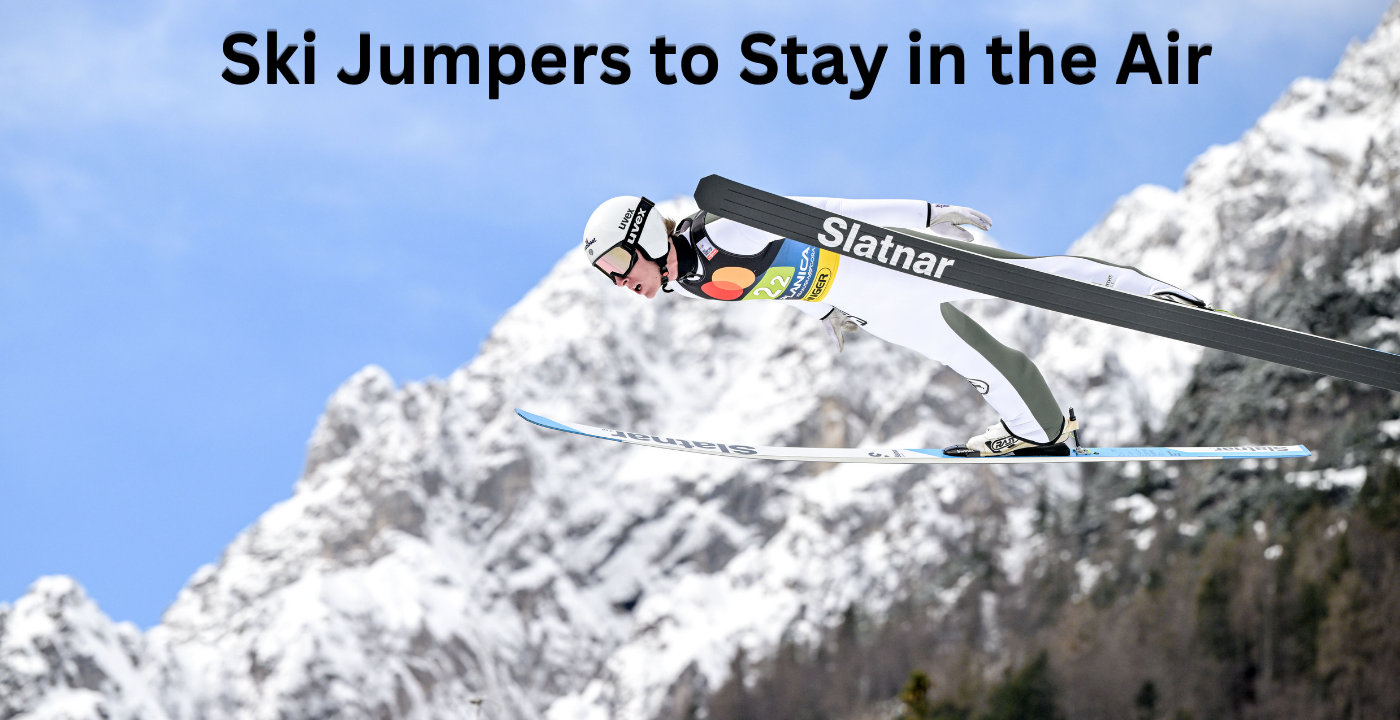
The excitement of seeing a ski jumper jump out of a ramp before drifting like a bird into the air for an extended period of time in the winter sport is one of the most spectacular things you can see. It seems they’re defying gravity. So how is it possible for ski jumpers to stay in the air so long and how do they train for that? The secret is a combination of physics, technique, equipment and years of specialized preparation.
The Science Behind Ski Jumpers’ Long Flight
Understand how lift and drag combine to create the force of gravity.
For each ski jump, there are three forces at play: lift, drag and gravity. The jumper is continually pulled down by the force of gravity, but continually pushed up by the lift produced by air flowing under and around the body and skis. Drag slightly reduces forward flight, but with a proper balance of lift, it can increase the glide range rather than shorten it.
The V-Style Technique
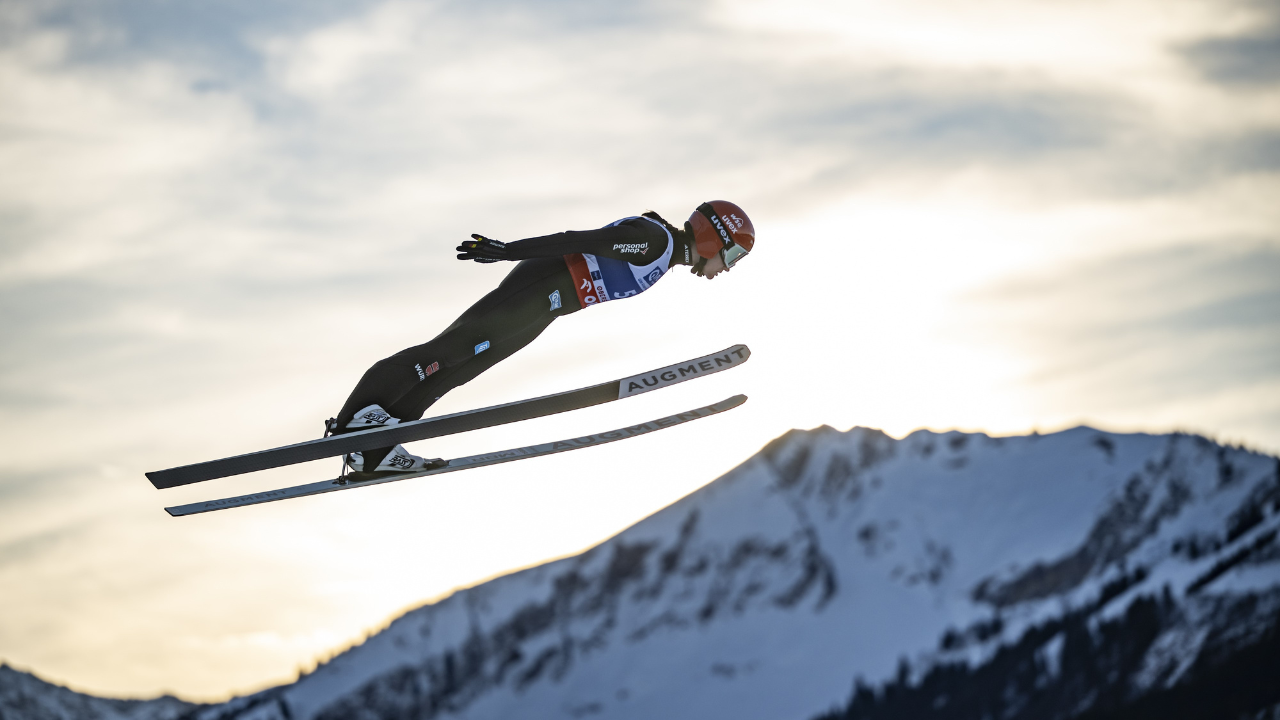
Jumpers used to keep their skis parallel for decades when flying. Today almost all athletes are operating in the V-style, where the tips of the skis are turned outwards from each other to form a V. This is a simple tweak that can generate much more lift in return as it significantly increases the surface area facing towards the airflow, pushing more air down. The V-style change is attributed to giving metres to the jump distance, and transforming the sport since the late 1980s.
Why It Looks Like Floating
Ski jumpers’ horizontal velocity upon takeoff is between 90 and 100 km/h, with a gradual and controlled descent in the vertical direction. The difference between the horizontal velocity and vertical velocity is the key to the effect of floating through the air.
The Four Phases of a Ski Jump
- Inrun: The jumper crouches into an aerodynamic tuck; the goal is to get him/her to the bottom of the ramp at a maximum speed with the least drag.
- Takeoff: Legs extend explosively at the edge of the ramp. This is a good time to move from speed into upward and forward movement.
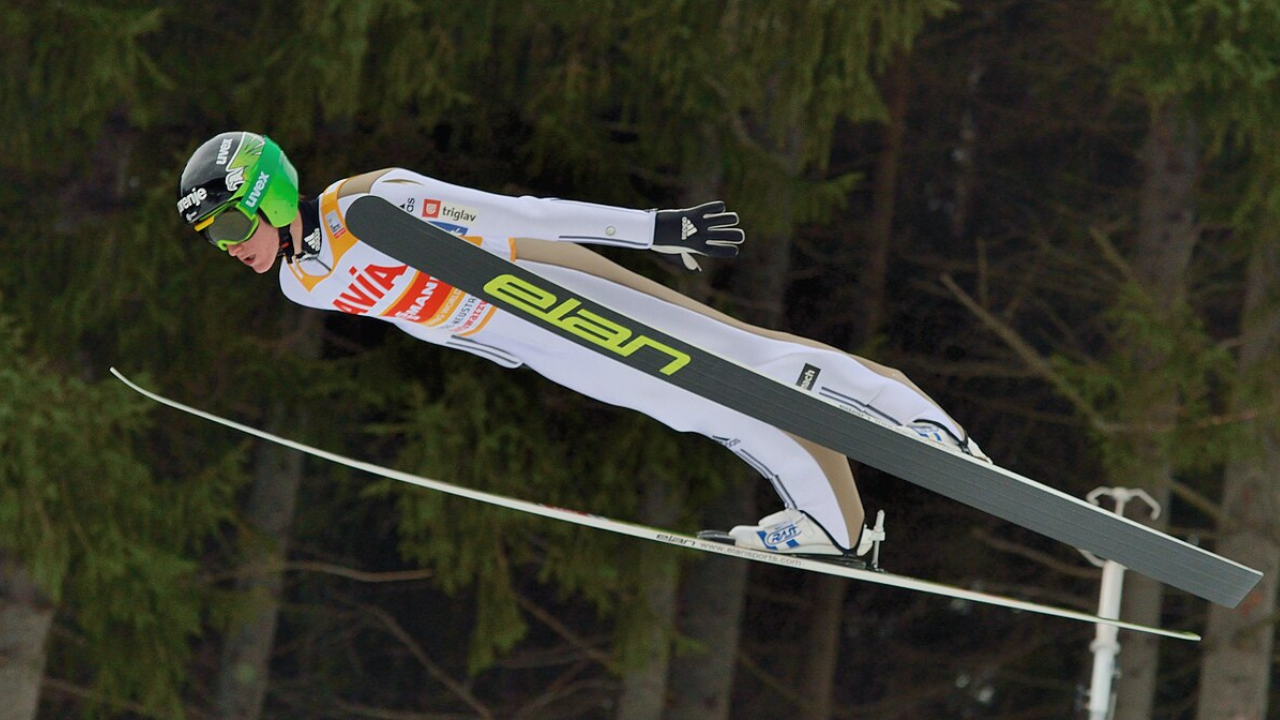
- Flight: The body is flexed forward almost parallel to the skis, arms tucked close to the body, V-position is maintained and the jumper constantly adjusts in micro-movements to remain balanced.
- Landing: This is a Telemark landing, which is a landing on one ski slightly ahead of the other. This helps to absorb impact gently and improves scores with judges.
Read Also: How to Stop Car From Fogging Up: 8 Simple Hacks Every Driver Should Know
The Use of Equipment to Extend Flight Time
Most people don’t realize how important gear is. Skis are longer and wider than the standard alpine ski with the goal of maximizing the surface area for lift. Competition suits are rigorously tested to ensure they are exactly as it takes for the athlete’s body to move in and out of it so they don’t get an unfair advantage in the wind. Boots and bindings are designed to be rigid to ensure stability in the ankle and to maintain ski angle during flight.
How Ski Jumpers Train to Stay in the Air Longer
- Strength and explosiveness: Squats, deadlifts and plyometric exercises develop the power in the legs necessary to take off well and at the right time.
- Wind tunnel training: Athletes spend hours in wind tunnels, refining their body angle by tiny degrees to achieve the best lift while causing minimal drag.
- Ramp and water ramp practice: Year-round, jumpers practice technique on artificial ramps and water landing pits because they are not available in the snow.
- Balance and coordination exercises: Trampolines, balance boards and gymnastics training help grow the body awareness required for proper body positioning in mid-air.
- Mental preparation: First launch, from ramps more than 100 m high at high speed requires mental preparation. Visualisation techniques enable athletes to remain calm and focused prior to each jump.
This combination of scientific technique and exhaustive training is responsible for how ski jumpers can fly for so long and how they train their jumps at the highest level to become one of the most technically demanding pieces of sport.
Final Word
Ski jumping is not magic, it’s physics, technique and years of disciplined training. The V-style position and explosive takeoffs and the exact aerodynamics are the reasons why ski jumpers can stay airborne for such a long period and how they prepare for such a feat. Each time he flies represents many hours in wind tunnels, gyms and on ramps. Next time you watch a jump, you’ll see the science behind the seemingly impossible glide.
FAQs
1.What is the longest a ski jumper can jump?
Elite ski jumpers usually hover in the air for 4-7 seconds, depending on the size of the hill.
2.What’s the V style in ski jumping?
A new position of flight for the skiers in which the tips of their skis are angled in a “V” formation to provide greater lift, which also takes the place of the older parallel-ski position.
3.Is an airfoil the name of a bird?
Yes, wind tunnel sessions are a regular component of training and are used to hone-in the positioning of athletes for best aerodynamic shape.
4. What muscles do ski jumpers train the most?
It is mainly about legs and core, as explosive leg power is the key to the takeoff and core strength is important to stay stable during flight.
5. What is a Telemark landing?
It is a landing method in which one ski is positioned slightly forward of the other, which assists in absorbing impact and for better judging scores.
Read More: Leet Coffee: Kuwait’s Automated Coffee Revolution for Modern Lifestyles