

Hi Readers! Our face is pretty amazing when you think about it. It’s how we show emotions, how people recognize us and honestly, it’s a huge part of who we are. But here’s the thing: accidents happen and sometimes they cause really bad facial injuries. One of the worst is called a degloved face. Basically, the skin and tissue get ripped away from the bone underneath.
Doctors have gotten way better at handling these emergencies over the years, but the aftermath? That’s still tough to deal with. If you’re in Nashville and need a plastic surgeon, don’t just pick the first name you see. Actually read reviews, check their background, and meet with a few before deciding. In this blog, I want to talk about how medicine is getting better at treating the long-term problems that come with these injuries.
What Even Is a Degloved Face?
This is a brutal injury, no sugarcoating it. It needs emergency care right away. You might get it from a bad car crash, a workplace accident with heavy machinery or even an animal attack. When the skin and soft tissue are torn away from the facial bones, the damage is massive. People lose feeling in their face, look completely different, and often can’t do basic things they used to.
In medical speak, facial degloving is a complex trauma. It means some or all of the skin, muscle, and sometimes bone gets removed from the face. Obviously, the priority is keeping the person alive and stopping things from getting worse. But once that’s handled, the long-term stuff is a whole different battle.
How Does This Happen?
There are a few common ways people end up with this injury:
Car and Motorcycle Crashes
High-speed collisions are a big one. Whether it’s a motorcycle, car, or truck wreck, the facial trauma can be severe enough to cause degloving.
Workplace Accidents
If you work around heavy machinery, you’re at risk. Construction sites, factories, manufacturing plants… these places can be dangerous and accidents happen.
Animal Attacks
Dog attacks or encounters with wild animals can mess up your face badly, degloving included.
Falls
A nasty tumble from somewhere high up, or even just tripping hard on flat ground, can smash up your face bad enough to cause this kind of injury.
Sports Injuries
Contact sports and anything where you might take a hard hit to the face, like football, boxing, or martial arts, can result in these injuries.
The Recovery Is Long and Hard
After the initial injury heals, people deal with two main types of problems:
Physical Stuff
Scars are pretty much guaranteed. Then there’s trouble with everyday functions like eating and speaking. Nerve damage is common. And there’s always the risk of infection hanging over you.
Mental Stuff
The psychological toll is huge. A lot of people with degloved face injuries end up dealing with depression, anxiety, and PTSD. It’s not just about looks, it’s about trauma.
What to Watch For
The symptoms depend on how bad the injury is. Mild cases might not show much swelling or bruising. But severe cases? The skin and tissue can be completely detached from the bone, which looks absolutely terrifying. Other signs include:
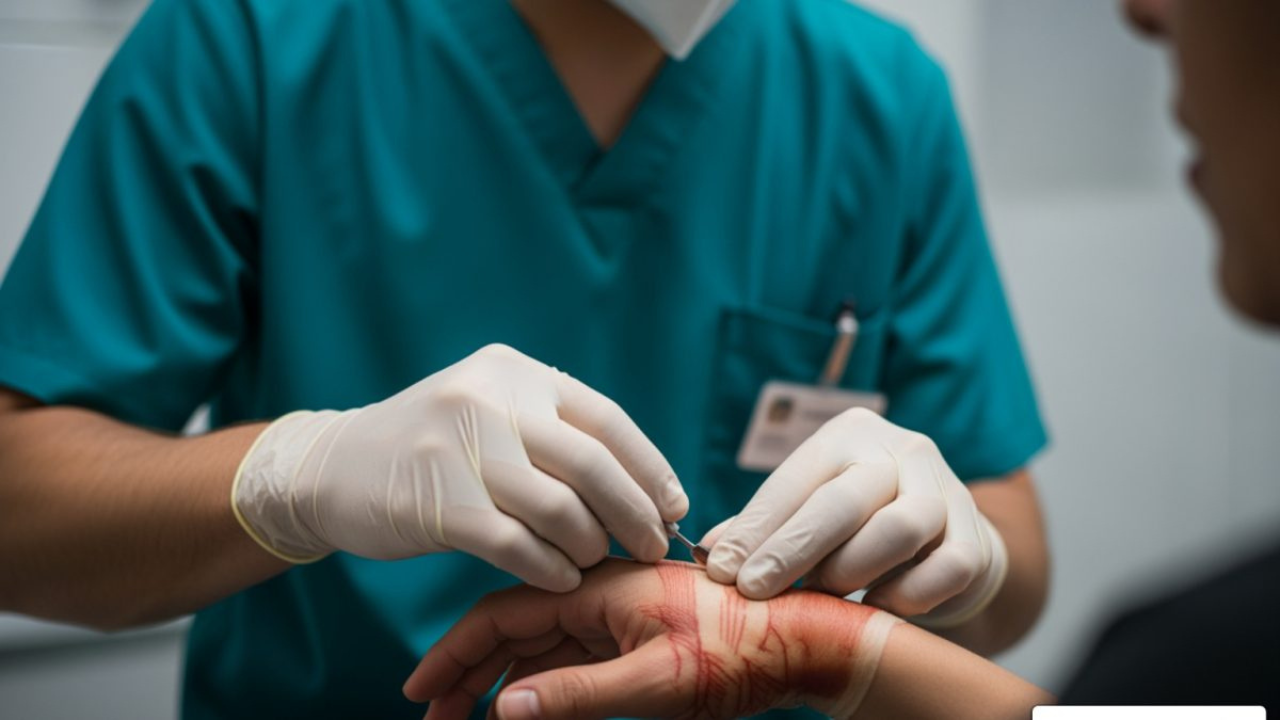
Here’s what you might notice if someone has this injury:
- Bleeding that just keeps going and won’t slow down
- Hurting a lot or feeling weirdly sensitive in that spot
- Can’t breathe right or have a hard time swallowing
- That part of the face feels numb or really sore
- Eyes are acting up and not seeing properly
- Acting confused or just not seeming like themselves
If any of this shows up, don’t think about it, just get them to the hospital right now. Putting it off only makes the damage pile up, and yeah, people have actually died from waiting too long.
It helps to know what causes this stuff and what it looks like, because then you can maybe avoid it, or at least know to hustle for help when it happens.
What Happens Right After the Injury?
The first few hours are everything. Move fast and do things right, and you’ve got a way better shot at fixing the face later. Here’s what the medical team jumps on:
Getting the Bleeding Under Control
Number one priority: stop them from losing more blood. They press down hard and slap on sterile dressings to seal things up.
Scrubbing the Wound Clean
They gotta get in there and clean it out good. Dirt, gravel, random junk, anything that doesn’t belong has to come out. Less junk means less chance of infection, and the wound can actually start healing.
Putting the Tissue Back
If the skin and tissue that got torn off are still in decent shape, surgeons will try to stitch or staple them back where they came from. This is seriously delicate work. Sometimes they need special clips or devices to hold it all together while it heals.
Using Grafts or Flaps
Sometimes the original tissue is too damaged to reuse. In those cases, surgeons take healthy tissue from another part of the body and use it to rebuild the face. This covers exposed bone and helps everything heal.
Pain Control
Nobody should be suffering through this without help. They use oral meds and IV painkillers to keep the patient as comfortable as possible.
Preventing Infection
Antibiotics are standard to ward off infection. They’ll also check tetanus shots and give a booster if needed.
This isn’t something a regular doctor should handle alone. You need a plastic and reconstructive surgeon who knows what they’re doing. Getting to the right medical professional quickly makes a massive difference in how things turn out long-term.
It Takes a Team
Fixing a degloved face isn’t a one-person job. You need multiple specialists working together:

Plastic Surgeons
These are the main players. They do the reconstructive surgeries that try to get function and appearance back to normal.
Eye Doctors
Facial degloving often involves eye injuries, too, so ophthalmologists are usually part of the team.
Mental Health Pros
Psychologists and psychiatrists are crucial here. The emotional damage can be just as bad as the physical, and patients need real support to get through it.
New Surgical Techniques
Medicine has come a long way with these injuries. Surgeons have developed better ways to put faces back together. We’re talking about super-precise tissue reattachment, microvascular surgery, and better use of grafts and flaps. The goal is to rebuild what’s damaged so people can look somewhat normal again and actually live their lives.
Growing New Tissue
This part is actually pretty cool. Scientists are figuring out how to use stem cells, growth factors, and weird sci-fi materials to make the body regrow its own tissue. It’s not fully there yet, but man, the possibilities are huge. Think surgeries that actually work better and don’t leave people messed up for life. That’s the direction this is all heading.
The Head Stuff Matters Too
You can operate all day long, but that doesn’t fix what’s going on upstairs. People who go through this need someone to talk to, someone who gets what it’s like to look in the mirror and see a stranger. They need help rebuilding confidence and working through the trauma. And yeah, physical therapists matter too; they run exercises to get the facial muscles moving and coordinated again. You can’t skip either part.
What’s Coming Next?
This whole area keeps getting better. Surgeons are cooking up new techniques, they’re inventing better materials for rebuilding faces, and they’re getting smarter about regrowing tissue. Even tech stuff like 3D printing and virtual reality is getting in on the action, helping doctors plan operations and show patients what to expect. It’s a good time to be alive if you’re dealing with this injury, because there’s more hope now than there’s ever been.
Final Word
Treating degloved face injuries has come a long way. New surgery tricks, that wild tissue engineering stuff, and finally giving a damn about people’s mental health, doctors are pulling off recoveries that used to be impossible. And it’s only getting better from here.
If this happens to you or someone you love, don’t sit on it. Get to the ER now, and find a solid plastic and reconstructive surgeon who knows their stuff. Medicine has gotten good enough that there’s real hope for getting through the long-term mess and actually living a normal life again.
Read More: Mojini V3: Your Complete Guide to Check Status, Login and View Sketches