
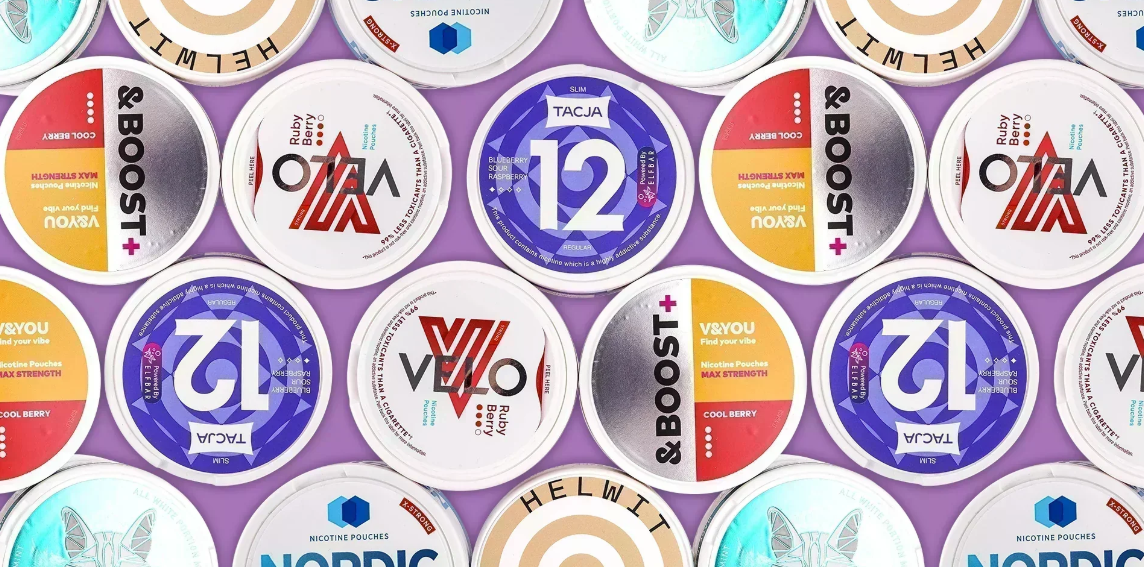
Somewhere in a marketing department, a decision was made that the word strong was insufficient. Then that extra strong was insufficient. The category now runs to ultra strong, and there is no obvious reason it will stop there.
The joke writes itself, but there is a practical point underneath it, and it is worth understanding before you buy something described with three adjectives.
These words are not standardised
There is no industry definition of strong. There is no regulatory threshold that a product must cross to be labelled extra strong. Each manufacturer sets its own ladder, and those ladders do not line up with each other.
One brand’s strong can sit above another brand’s extra strong. This happens constantly and it is not deceptive, because nobody ever agreed on what the words meant in the first place. They describe a position within one company’s range and nothing beyond it.
Where they are genuinely useful
Inside a single brand, the ladder is real information, particularly when the same flavour runs across several rungs.
You can see this clearly across the full range of FUMi products from Helix Sweden, where spearmint appears as strong, extra strong and ultra strong, and blackcurrant runs from regular upward. Held within one manufacturer, those labels let you move up or down without changing anything else. That is exactly the comparison the words are good for.
Held across manufacturers, they are close to meaningless.
The dots have the same problem
Many cans carry a row of filled circles alongside the words. Same issue: a four-of-six rating is a statement about that brand’s own range. It is a position, not a measurement, and a six-dot product from a mild brand can sit below a three-dot product from an aggressive one.
Dots and adjectives are the same information presented two ways, and neither travels between brands.
What actually travels
Only the numbers do. A milligram figure can be compared across brands, provided you check whether it describes the pouch or the gram, because those are different measurements and the difference is substantial.
If a can gives you a number, use the number. If it gives you adjectives, treat them as a map of that brand’s own territory and nothing more.
Why the escalation happens anyway
Partly competition, partly the ratchet effect of shelf language. Once one brand adds a tier above its previous maximum, everyone else looks weaker by comparison until they do the same. It is the same mechanism that gave us extra virgin olive oil and ultra high definition, and it terminates only when the vocabulary runs out.
Given that ultra is already taken, the next escalation will presumably require inventing a word. There is no rush.
In practice
Use the adjectives to navigate within a brand you already know. Use numbers to compare between brands you do not. And treat any product describing itself with more than two intensifiers as a marketing decision rather than a specification.
Nicotine pouches are intended for adults only, 21+ in the United States and 18+ across most of Europe. They contain nicotine, which is an addictive chemical.