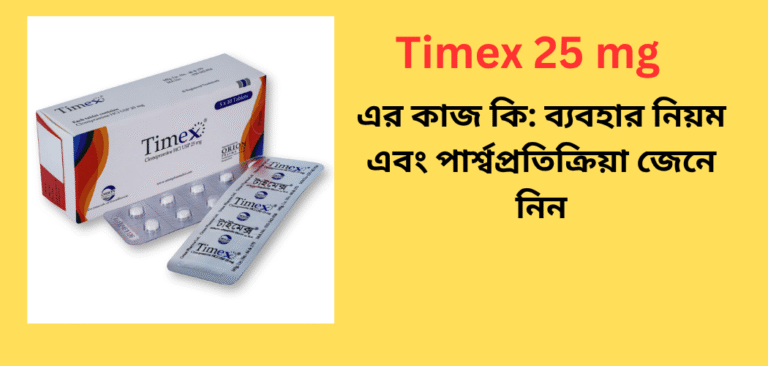

Although antioxidants are becoming more and more popular, have you heard of glutathione? It is naturally produced in your body from three amino acids: glycine, cysteine and glutamic acid. It is stored in the liver the majority of the time.
As we age and become sick or stressed, levels can drop and that’s why many people consider taking glutathione tablets for extra help. This article tells you in simple terms what this medication is used for, any side effects, the correct dose and precautions.
What Is Glutathione?
Glutathione is a tripeptide (small molecule composed of three amino acids) that is synthesized in cells. It is produced naturally in your body daily and is one of the more significant antioxidants in your body.
It also assists to eliminate harmful substances and aids other antioxidants like Vitamin C and Vitamin E. A supplement can provide additional support when your body doesn’t produce enough on its own due to age, illness or pollution.
Uses of Glutathione
There are a few reasons why people use glutathione supplements:
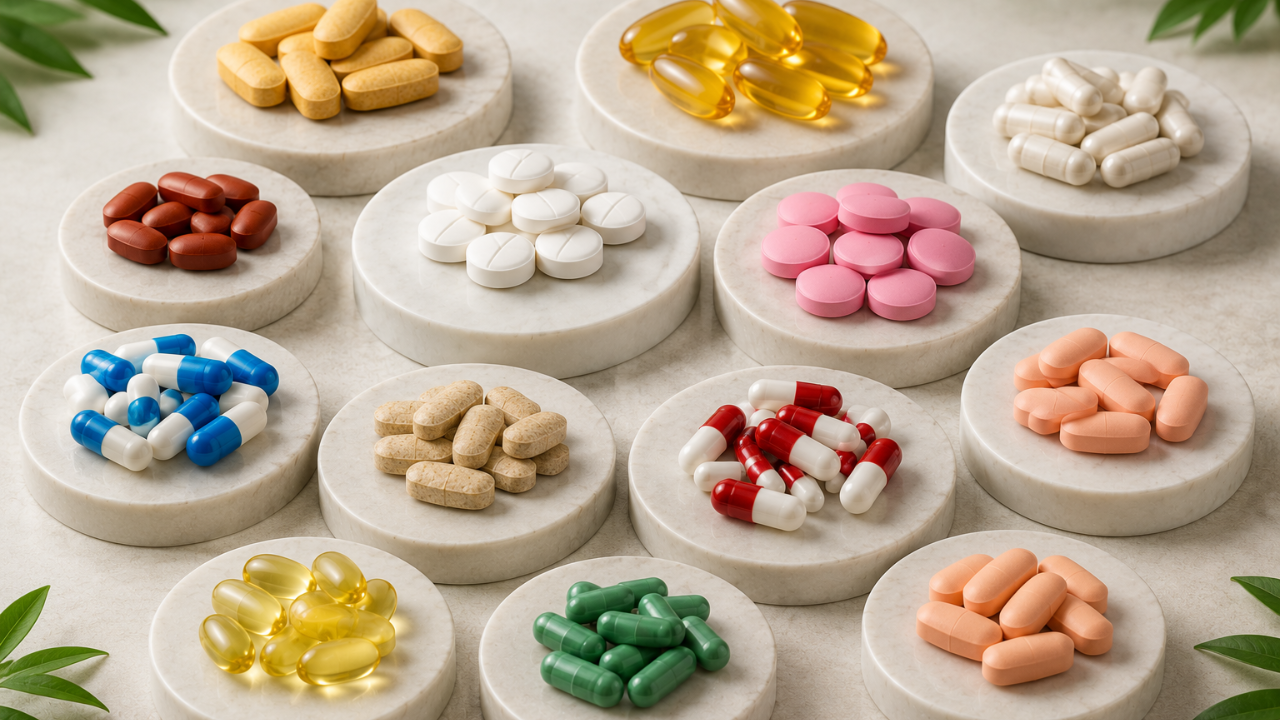
- Immune support: helps to boost and support immune function.
- Immune health: supports body’s resistance to infection.
- Anti-inflammatory effect: helps diminish inflammation.
- Hair health: can help to make hair appear healthier.
- Exercise recovery: can assist the body with recovery following strenuous exercise.
Some of these uses are not well researched and may vary from individual to individual.
How and When to Take It
Ideally it should be done on an empty stomach, in the morning or at night. It is suggested to be taken with vitamin C as this may help the body in better utilization of it. If it makes you feel uncomfortable, take it with food.
Side Effects
The majority of people will tolerate glutathione. Side effects may be:
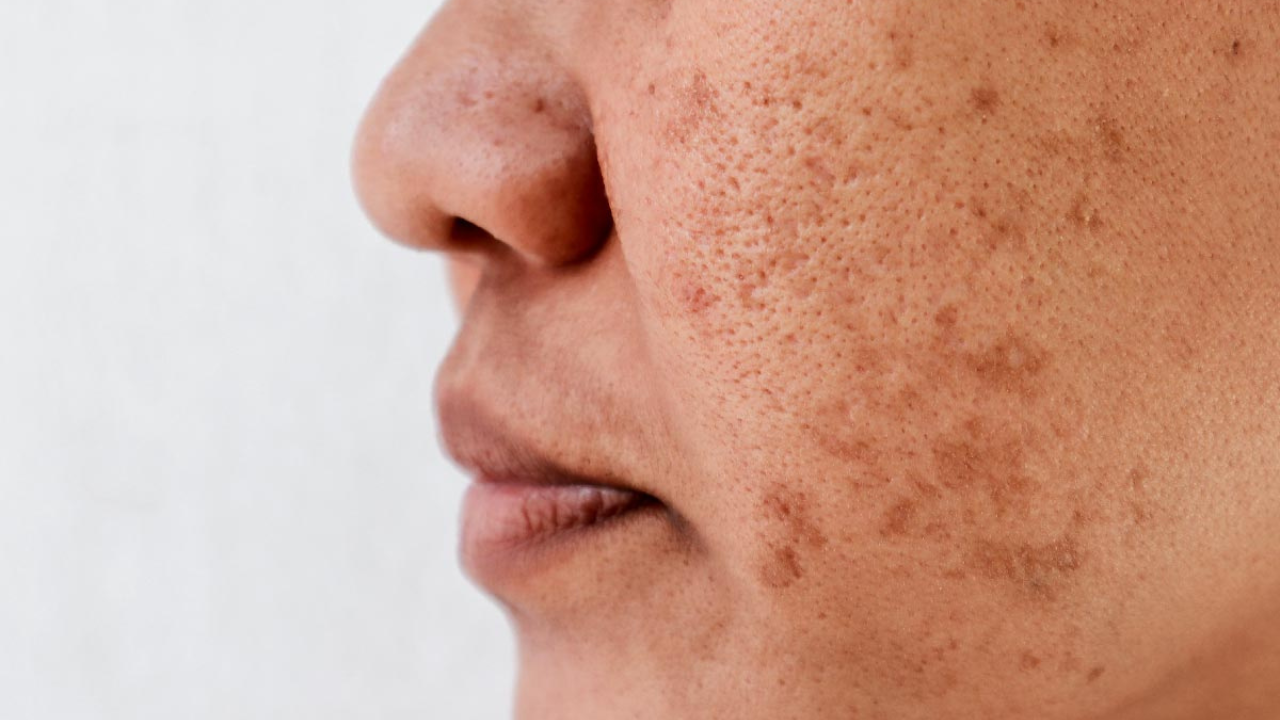
- Some stomach pain or discomfort/bloating
- Headache
- Skin rash
These usually deposit when your body takes to it. Higher doses may cause nausea, cramps or diarrhea. If symptoms persist or if you see symptoms of an allergy, such as swelling or difficulty breathing, see your doctor.
Precautions
Follow these guidelines for safe use of glutathione:
- If you are allergic to any of the ingredients, do not take it.
- Do not use if you are pregnant or nursing without first speaking with a physician.
- Ask your health care provider if you have liver and/or kidney disease.
- If you have asthma, an organ transplant, are taking an antipsychotic medicine or are having chemotherapy, take extra care.
- Do not exceed the recommended dose by your healthcare provider.
- Injectable forms should only be given by a qualified professional.
Glutathione should be used under medical supervision if suffering from a long-term illness or if taking other medicines.
How Glutathione Works

There are 2 primary ways that glutathione supports your body’s defense system. Reuses other antioxidants (vitamins C and E) to continue working. It also attaches to toxins and renders them water-soluble, allowing you to eliminate them in the urine or bile.
Can You Take It with Other Medicines?
Most medications can be used safely with glutathione. If you are taking blood pressure medications or chemotherapy, however, consult with your doctor to find out if they do not mix. You should inform your doctor or physician of any kind of supplement you are taking, particularly prior to surgical treatment.
Dosage
It’s common to take 250 to 500 mg each day for general health. Physicians may prescribe a dose of 500 to 1000 mg per day to treat skin. Begin slowly and gradually and work up. Splitting the dose into two smaller doses may work better than one large dose. Your doctor will be able to determine the appropriate dosage of glutathione tablets for you.
Final Word
Glutathione is a natural cofactor that provides detox, immunity and cell protection. Glutathione tablets will increase the level of glutathione in your body but it will not be a magic pill. They are most effective when combined with a healthy diet and regular exercise and adequate sleep. Please consult your physician first.
FAQs
1. Is it safe to take glutathione every day?
Yes, with the correct dosage. There have been no reports of safety concerns with oral glutathione up to 500 mg daily for approximately two months.
2. How long does glutathione take to work?
Changes in regular supplementation typically occur after 6-8 weeks, with the best results occurring at 3-4 months.
3. What is the best time to take glutathione?
It should be taken on an empty stomach, 30 minutes before or 2 hours after meals. This can be done in the morning or at night. It may help to combine with vitamin C.
4.Who must NOT take glutathione?
Don’t use during pregnancy or breastfeeding or if you have an allergy to any component. Asthmatics, organ transplants and chemotherapy.
5. What if I forget to take a dose?
Take it as soon as you remember. If the next dose is near, remember to skip the missed dose and resume the next one as planned. Never take a double dose.
Read more: কাঁচা রসুন খাওয়ার উপকারিতা ও অপকারিতা গুলো জানলে অবাক হবেন