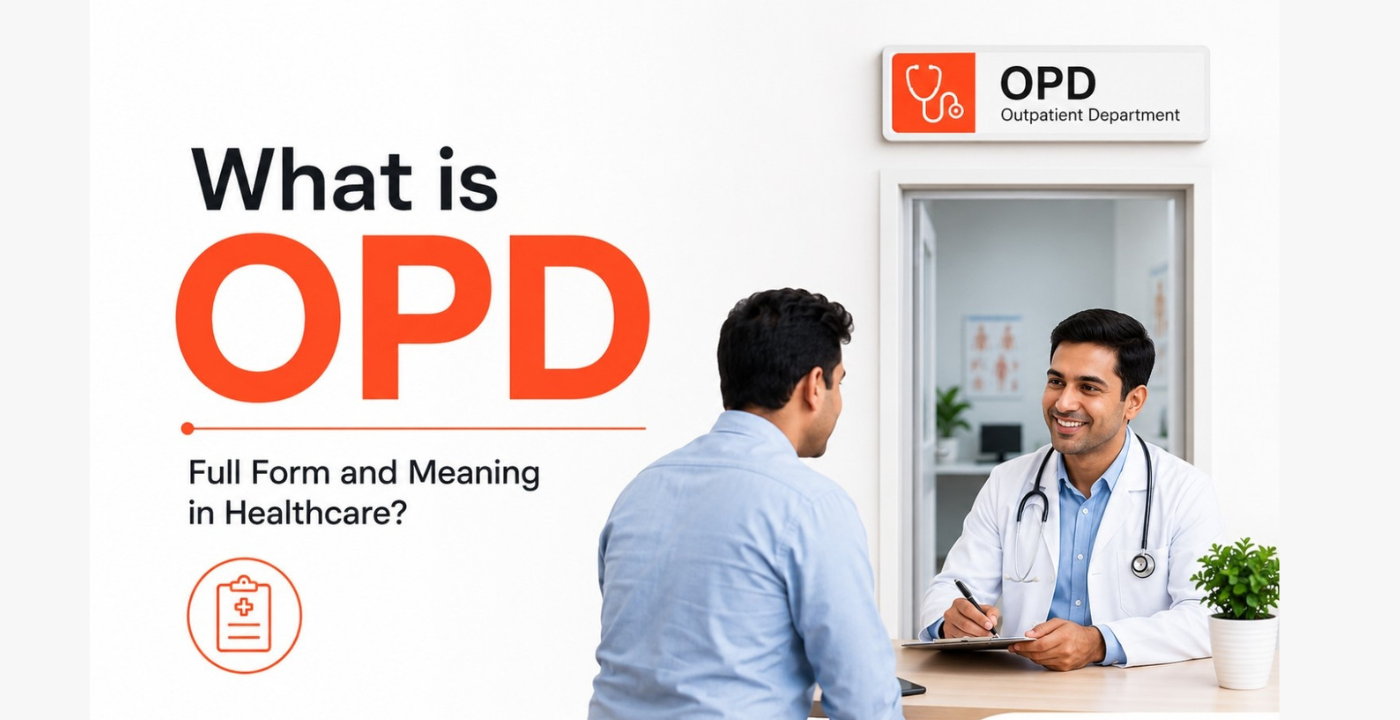
If you’ve ever visited a hospital for a quick check-up and gone home the same day, you’ve used an OPD. The full form of OPD is Out Patient Department, which is a part of the hospital where one can visit and get minor treatment without being admitted to the hospital, or get tests done from the doctor.
In this article, you’ll learn what an OPD is, how it’s used, the difference between OPD and IPD, what services it provides, and if it is covered by health insurance plans.
What is the Full Form of OPD?
OPD is the department of clinic or hospital that is dedicated to providing care for people who need medical attention but don’t require an overnight stay. You walk in, meet a doctor, have all the tests or treatment you may need and go home on the same day.
Why OPD Matters in Healthcare
The reasons why OPD is a big part of healthcare every day are quite simple:
- It saves time. A routine check-up or follow-up doesn’t have to upend your day.
- It’s more affordable. Consultation and test fees are paid only for the consultation and any tests but not hospitalisation.
- It reduces overcrowding. Small problems are solved promptly, allowing hospital beds to be utilized where they are really needed.
- It helps to maintain care. OPD visits form a crucial part of the treatment for individuals with chronic diseases, such as diabetes and hypertension.
How Does OPD Work? A Step-by-Step Look
Most OPD visits have a similar pattern, irrespective of the hospital:
- Registration: Providing information at the front desk. Existing patients have their records retrieved and new patients a new record is created.
- Vitals check: A nurse will take your temperature, blood pressure and other basic measurements before you visit your doctor.
- Kikaku: You wait for someone. There are many hospitals that have digital token or queue systems to let you know approximately how long you will be waiting.
- Consultation: Doctor assesses you, takes history and talks to you about the next steps.
- Tests, if required: Sometimes blood tests and x-rays or an ECG may be ordered, many of which can be done right in the OPD area.
- Treatment or prescription: May receive immediate treatment (such as a dressing change) or a prescription to be filled.
- Payment and follow-up: You pay your bill (or the insurance) and schedule any follow-up appointment prior to departure.
All of it is arranged in a way that will get you in and out in a few hours.
Read Also: Leet Coffee: Kuwait’s Automated Coffee Revolution for Modern Lifestyles
Common Services Offered Under OPD
Numerous types of care are usually grouped together in the OPDs at the hospitals:
- Consultations: Everyday ailments (general practitioners), and specialist doctors such as cardiologists, dermatologists, and orthopedists for specific concerns. After-treatment and post-surgical care are also provided here.
- Diagnostic tests: Most OPDs have facilities for blood tests, urine analysis, X-rays, ultrasounds and ECG. Having all these in a single location makes it easy to receive results and next steps in the same appointment.
- Minor procedures: Simple procedures, such as cutting back small skin lesions, dressing wounds, giving joint injections or performing basic dental work can generally be carried out without admission, using local anesthesia.
- It is the OPD services which make the OPD a very practical and convenient gateway to the health care system: Most people come in contact with a health care institution far more often via the OPD than their in-patient services.
Does Health Insurance Include OPD?
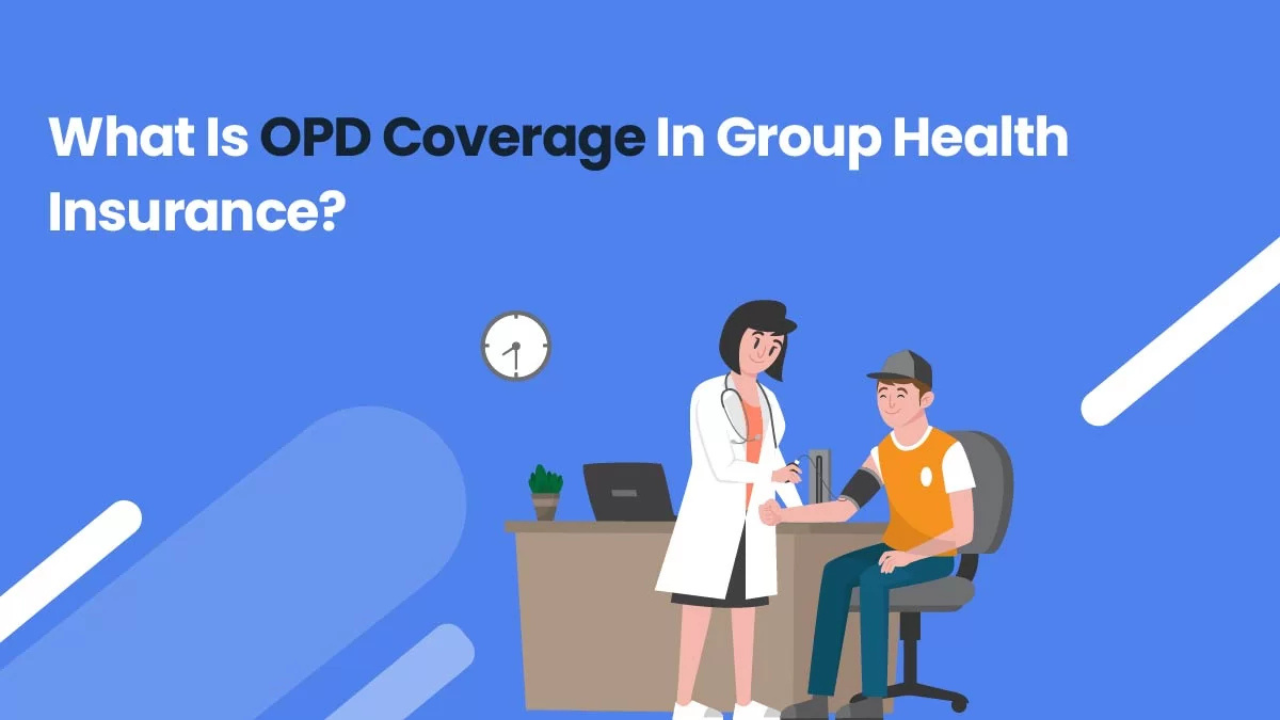
That’s where things get a bit more complicated. Most of the common health insurance plans are mostly based on situations related to hospitalization and the plans do not provide much or any cover in case of OPD visit.
There, however, there is a bright side, as things improve:

Many OPD add-ons or riders are being provided along with the standard health insurance policies which include outpatient consultations, tests and medicines.
Sub-limits apply. While providing OPD coverage, insurance companies have an upper limit on how much would be reimbursed per year, for instance, if an insurance company provides cover of ₹1 lakh for the entire term, it might limit the sum assured for the OPD claim to a lesser amount each year.
Even if it’s a dedicated OPD plan, there might be waiting periods for pre-existing conditions.
If you use OPD on a regular basis, for example, chronic conditions, it may be beneficial to ask about the coverage or if it would be worth adding some to your policy. If not, such routine visits and prescriptions may increment out-of-pocket expenses over time.
One good suggestion is to go through your policy terms prior to claiming. Pay particular attention to the terms “outpatient” or “OPD” and/or “day-care treatment,” and whether any annual limits are specified with these terms. If you are filing a claim, be sure to preserve all original bills, prescriptions and payment receipts because the insurance company almost always requires these as proof before it will pay you.
Final Word
Knowing what OPD covers helps you to know where to go for routine or minor medical requirements. From a simple check-up, a follow-up visit or a minor procedure, the outpatient department ensures that you are seen, treated and back to your day without the need for a hospital stay or the distractions and cost.
It will also be helpful to know what to take with you to your next appointment, such as a valid ID, any previous prescriptions and test results, and insurance information if you are claiming expenses. The following tips can help speed up your registration time and lessen the hassle of visiting the registration desk.
FAQs
1.What does OPD refer to?
OPD (Out Patient Department) is a section of a hospital where patients consult, undergo tests or receive minor treatment without being admitted for an overnight stay.
2.What is the difference between the OPD and IPD?
OPD is for patients who do not require overnight admissions and IPD (Inpatient Department) is for patients who are admitted for surgery, recovery or close monitoring.
3.Is OPD treatment covered by health insurance?
Not always. The typical basic health insurance plans target in-patient coverage. OPD care may be provided only via an add-on rider or an existing plan.
4.What services are there in an OPD?
Most OPDs provide services such as doctor’s visit, diagnostic tests, blood tests, X-rays, and minor procedures like wound care, and even minor surgeries, without an admission to hospital.
5.Is there a charge for OPD at government hospitals?
Many government hospitals provide OPD services free or at a nominal charge, sometimes a nominal registration fee is charged.
Read More: NBM Login: How to Access the Navasakam Portal Without Losing Your Mind